CTRL+ALTA DIGITAL CULTURE ARCHIVE PH / 2000—2010 / 2026
AN INTERACTIVE MEMORY PROJECTVOL. 01  /  PHILIPPINES

REWIND. RECONNECT. REMEMBER.

CTRL +
ALT ALAALA✳

A digital museum of Philippine popular culture.
Two eras. One everyday life. What changed — and what stayed?

↓
2000—2010  /  THE REWINDTHEN  →  NOW2026  /  THE PRESENT
00 / THE PREMISE

Some things
never log out.

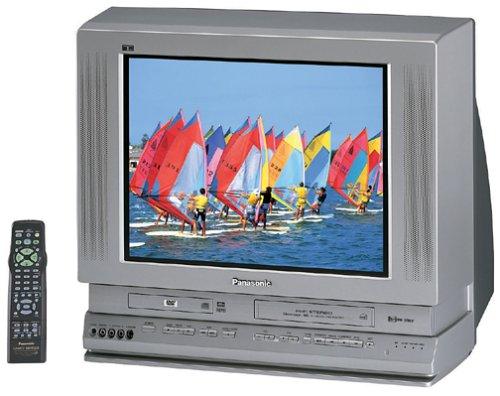
Before every memory lived in the cloud, there were keypad phones, text messages, computer shops, television nights and songs we played on repeat.

From 2000 to 2010 to the Philippines of 2026, this archive traces the objects, habits and shared experiences that shaped popular culture — and the ways they continue to live on.

ALAALA / noun / memory, recollection
01 / THE ARCHIVE

Six rooms.
Two timelines.

Explore the everyday: how we connected, earned, debated, watched, responded and played.

THEN / 2000—2010 NOW / 2026
01 — SOCIALCONNECTION / IDENTITY
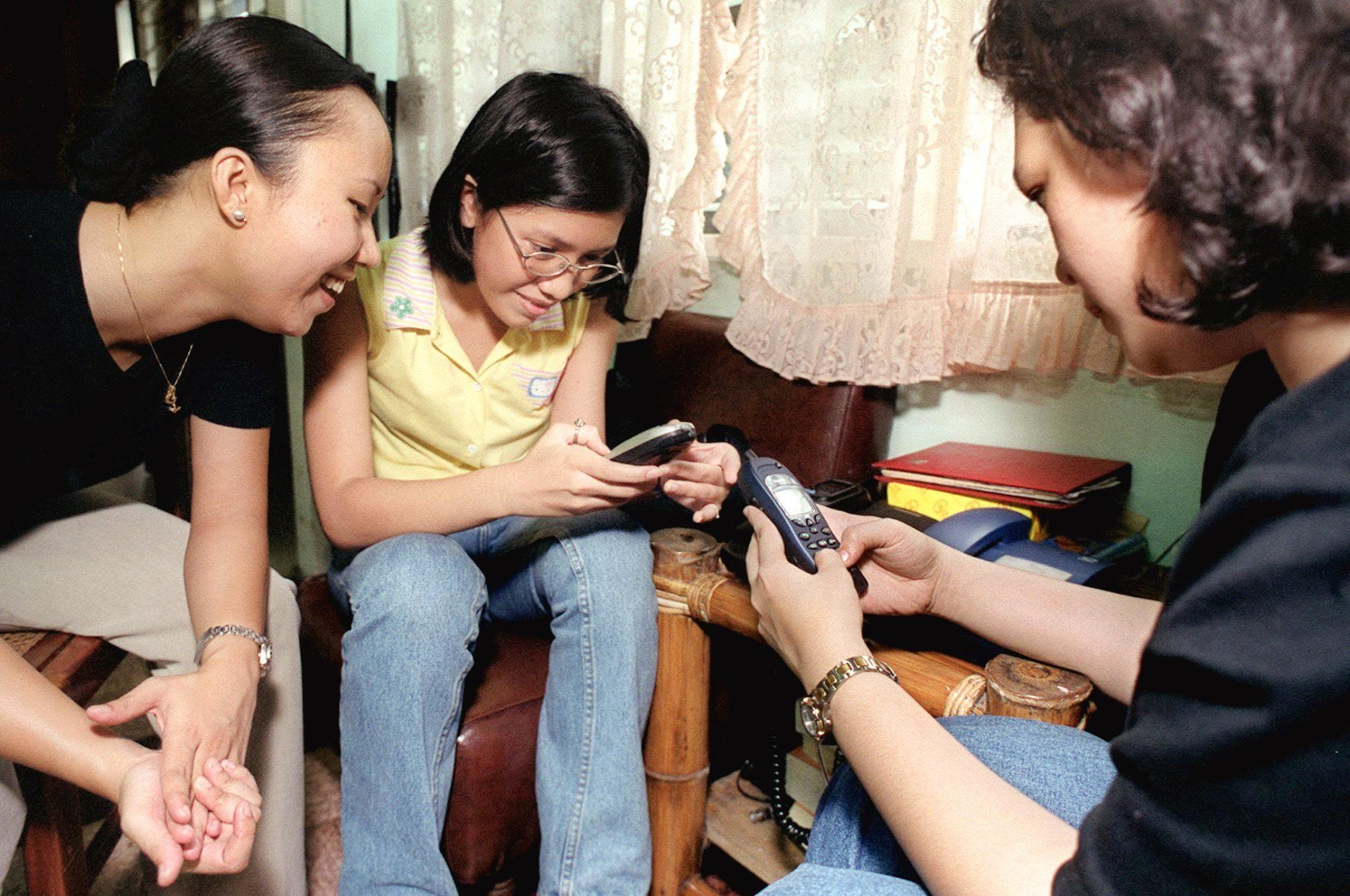
“Text me when
you get home.”

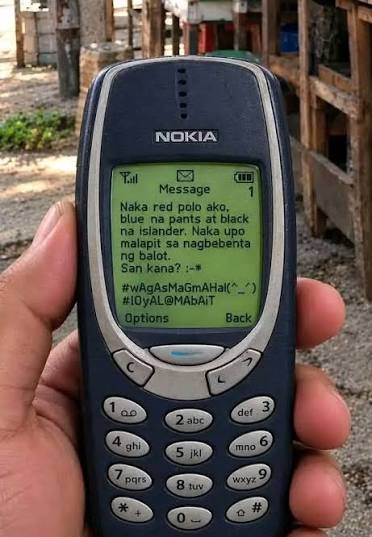
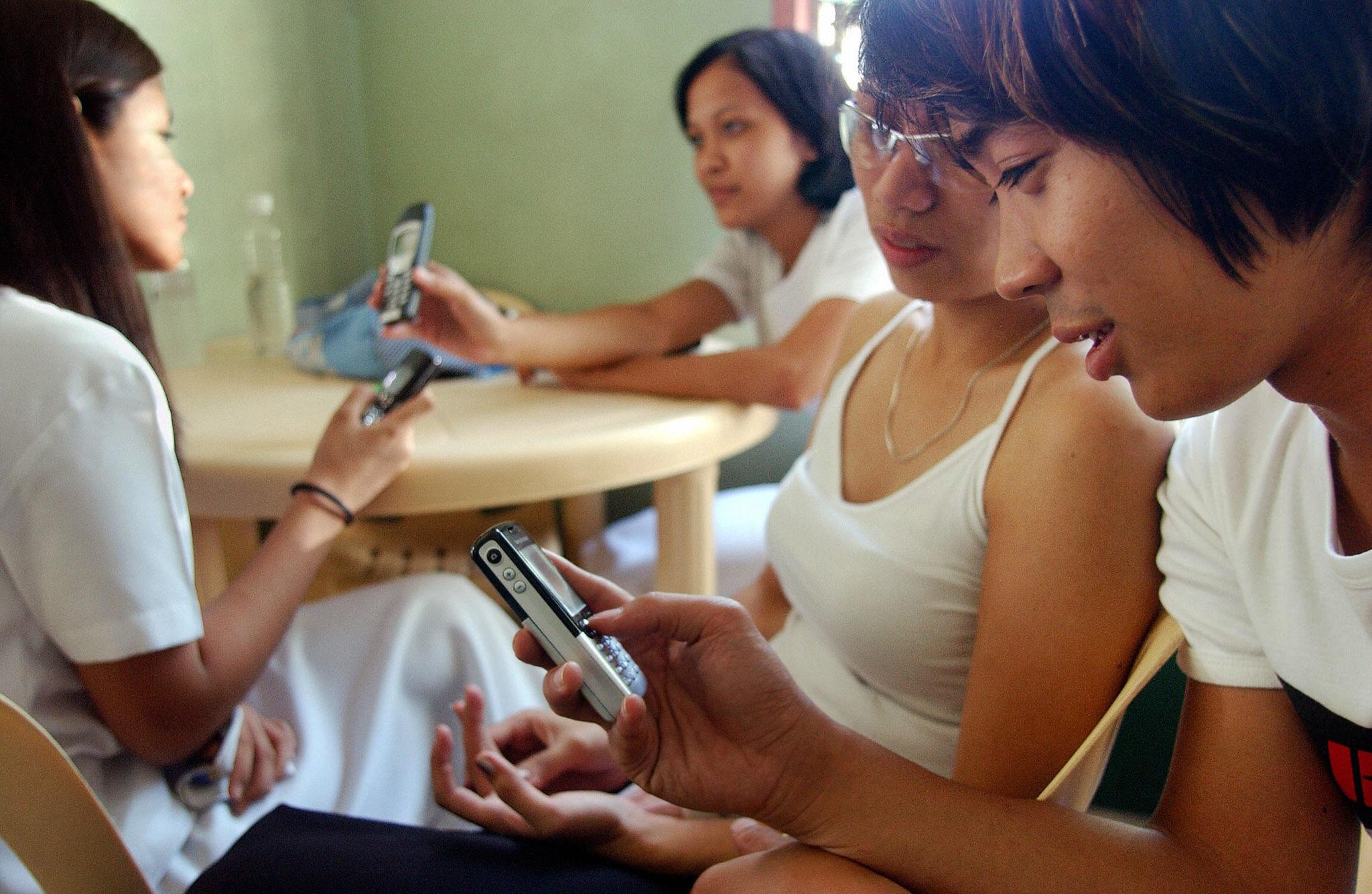
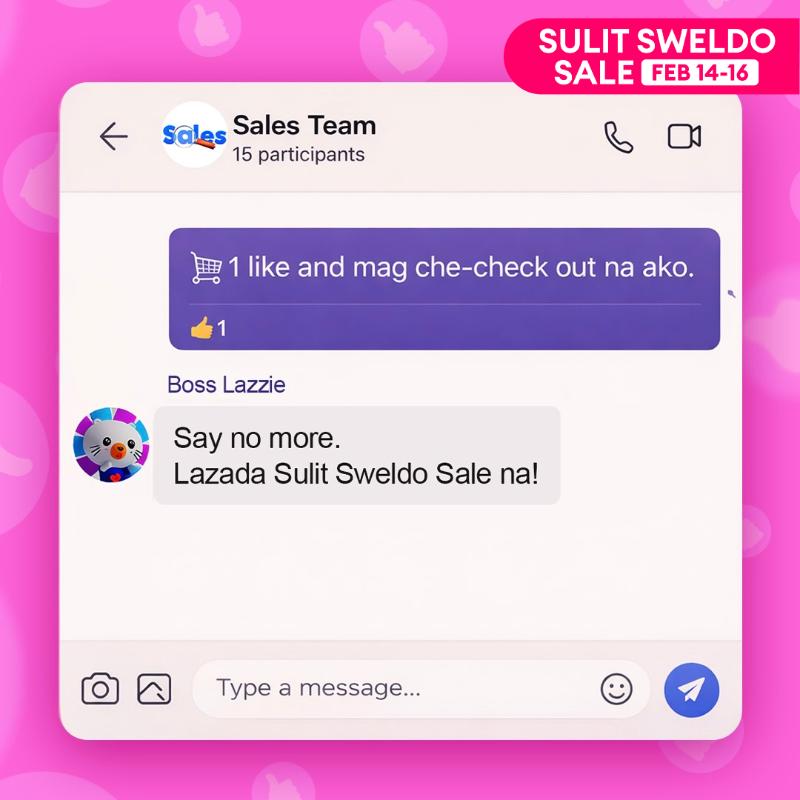
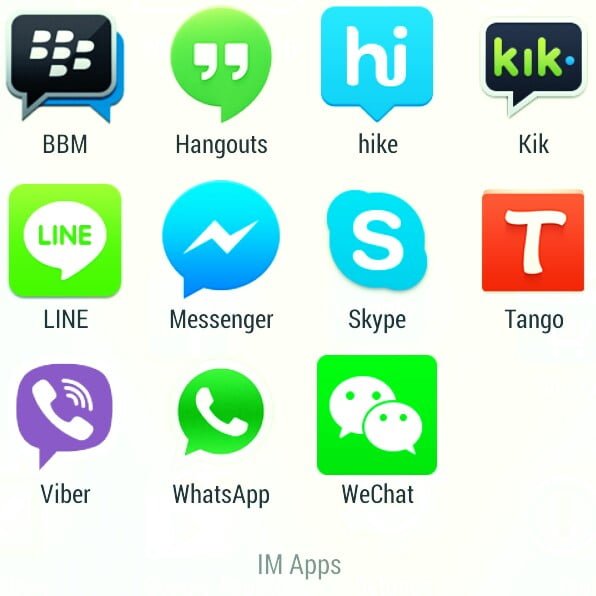
Before Messenger, there was load, keypad buttons and the careful art of typing on a Nokia keypad. SMS kept friends and families connected, one text at a time.
02 — ECONOMICWORK / OPPORTUNITY

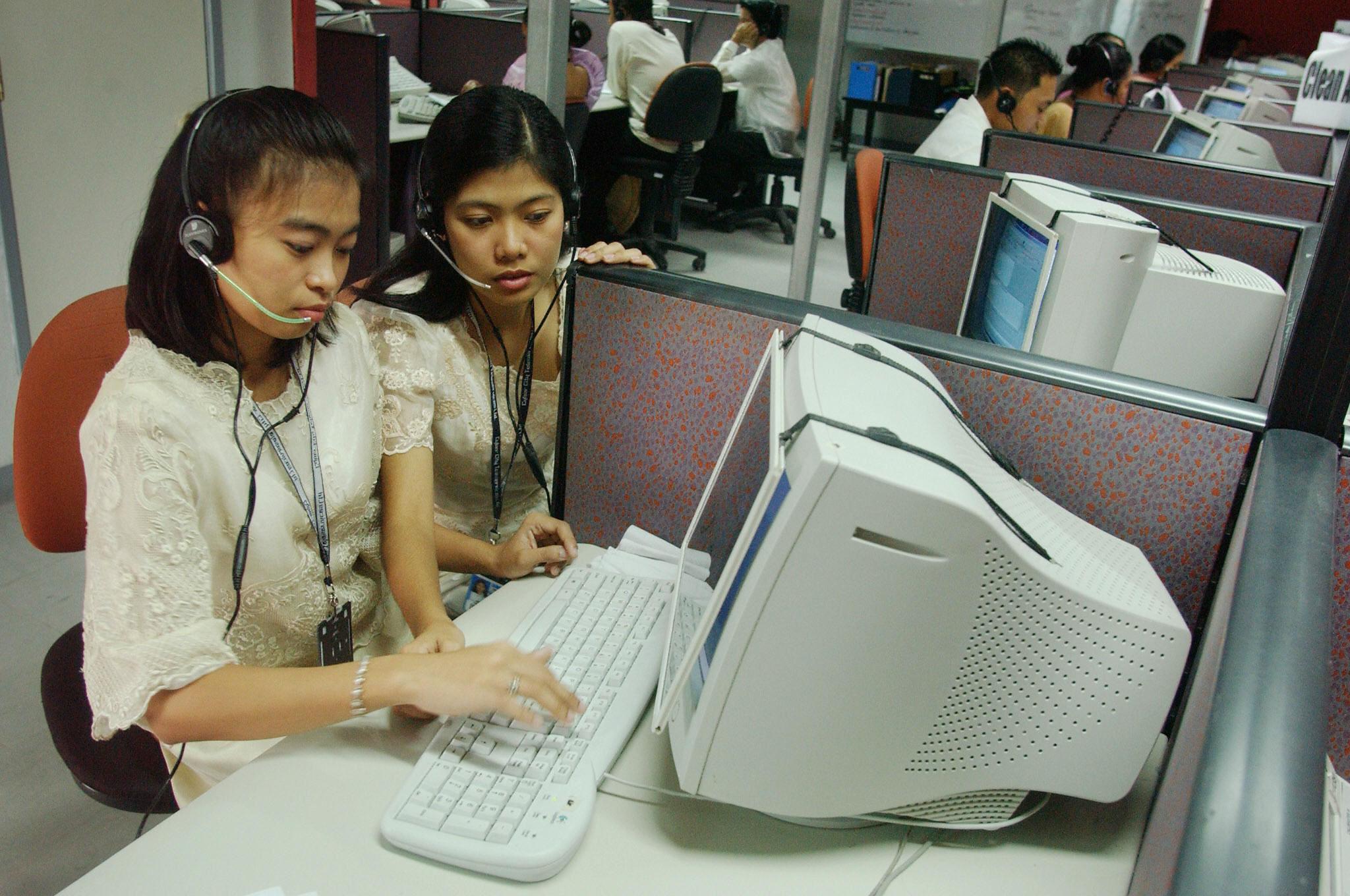
The night shift
changed the game.

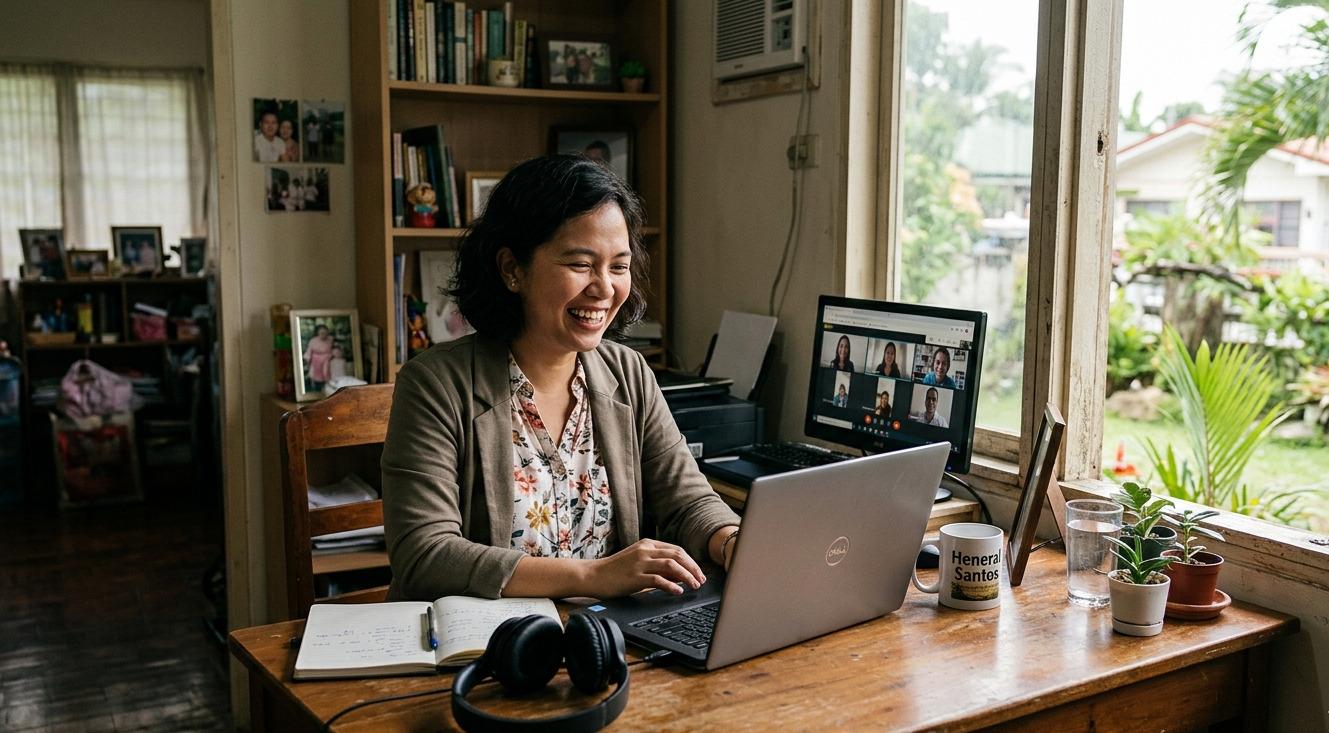
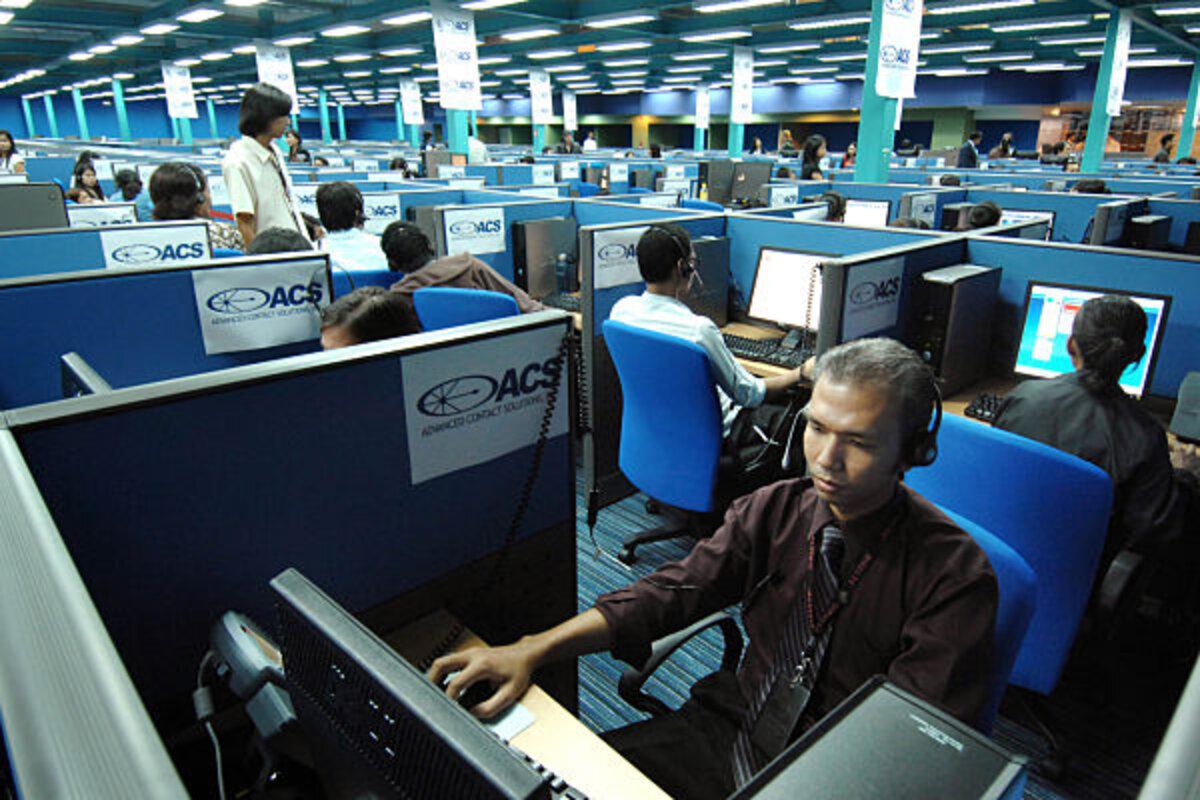
OFW remittances and call-centre work shaped family plans and new career paths. Digital work has widened the landscape.

03 — POLITICALPUBLIC VOICE / POWER

From the street
to the screen.

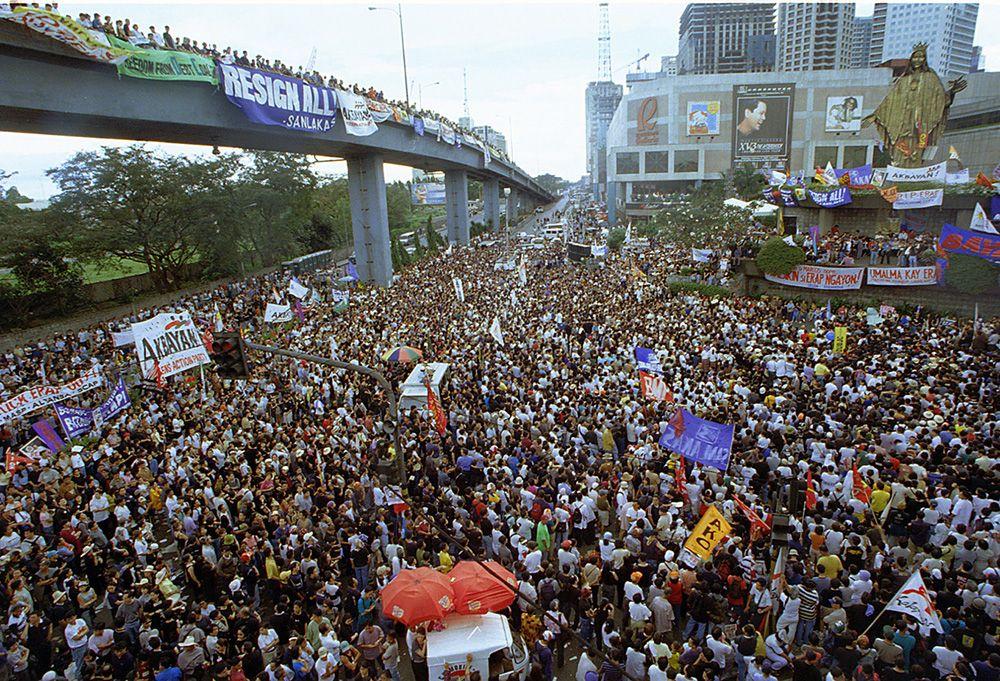
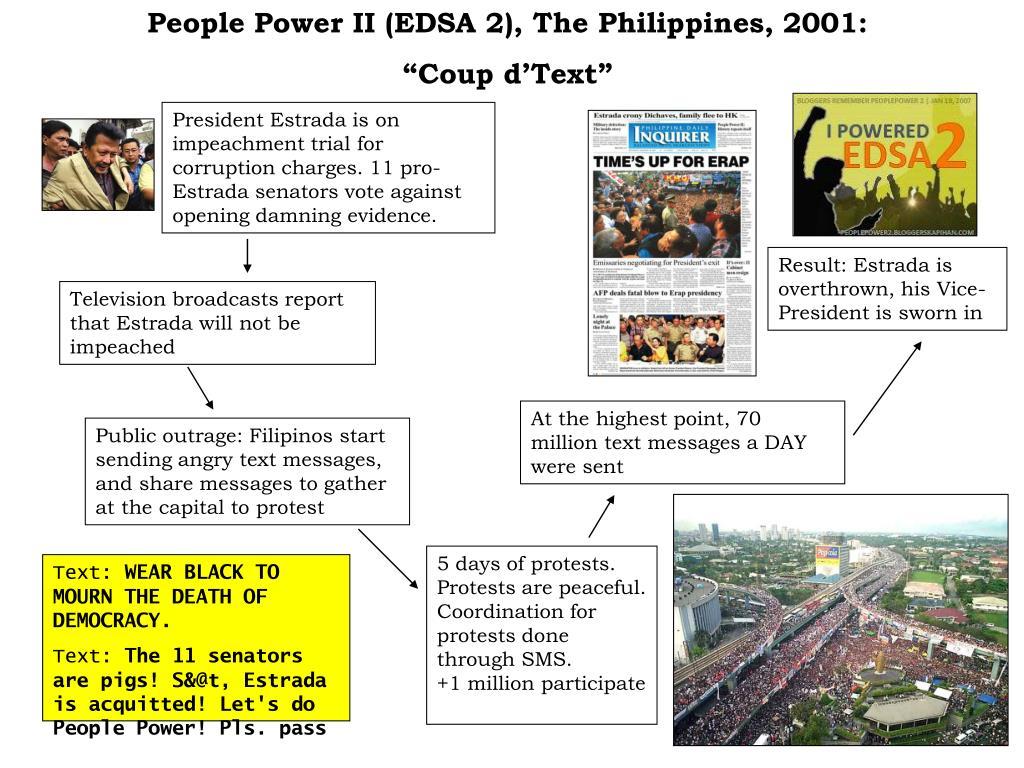
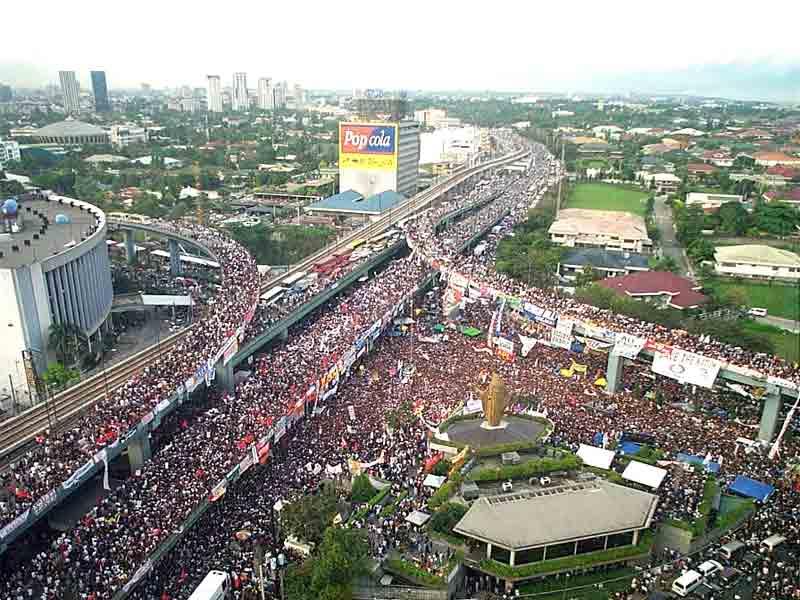
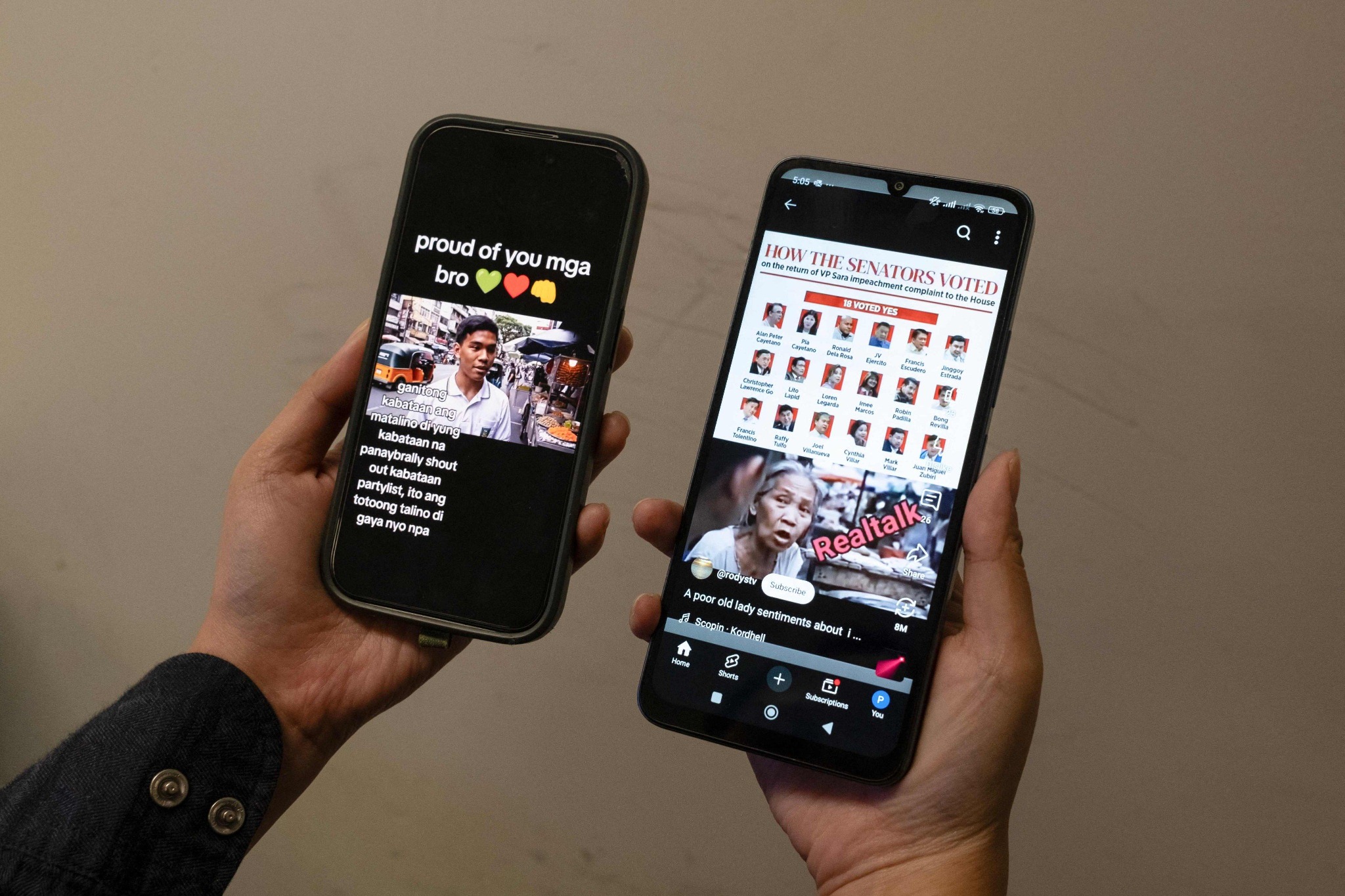
EDSA II, the Hello Garci controversy and the Maguindanao massacre marked the decade. Political conversation now moves rapidly across digital platforms.

04 — CULTURALENTERTAINMENT / FANDOM

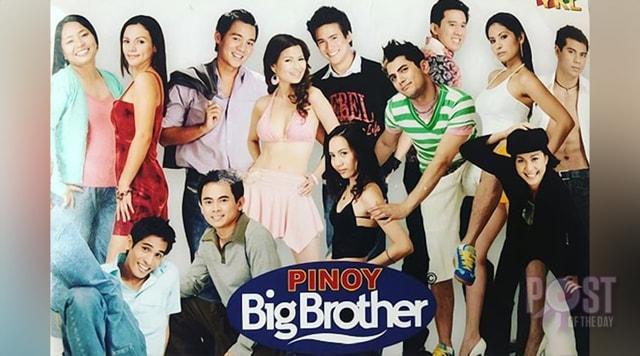
Bahay ni Kuya.
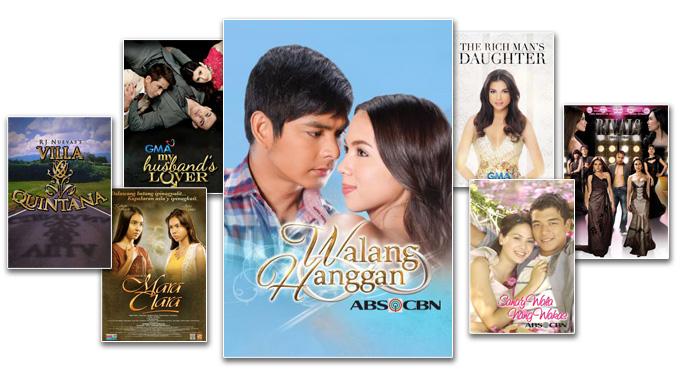
Teleserye nights.

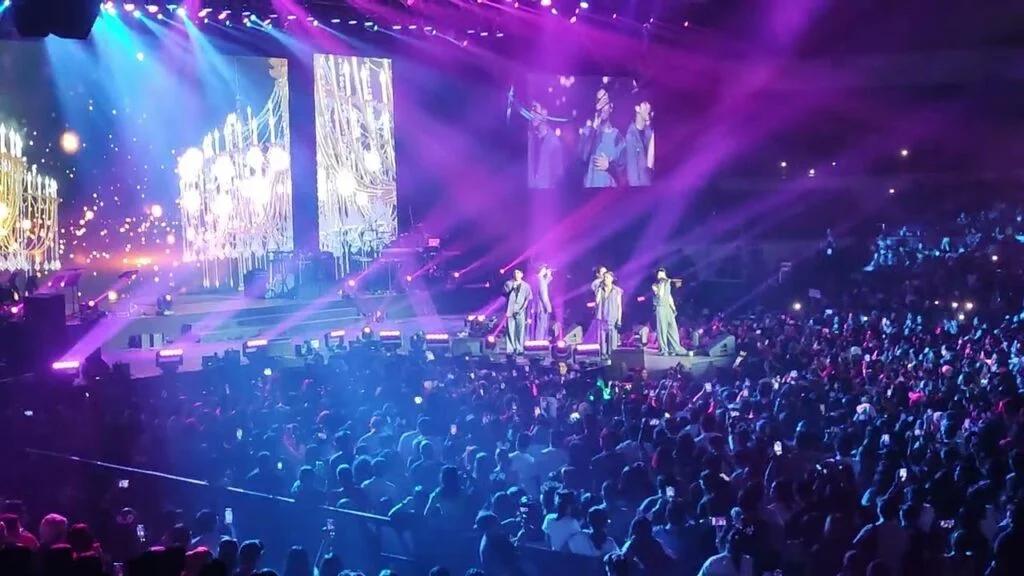
Television, OPM, anime, Asianovelas and Western music shaped shared tastes. Streaming, international entertainment and online fandoms carry that energy forward.

05 — ENVIRONMENTALRISK / RESILIENCE

What we remember
changes what we notice.

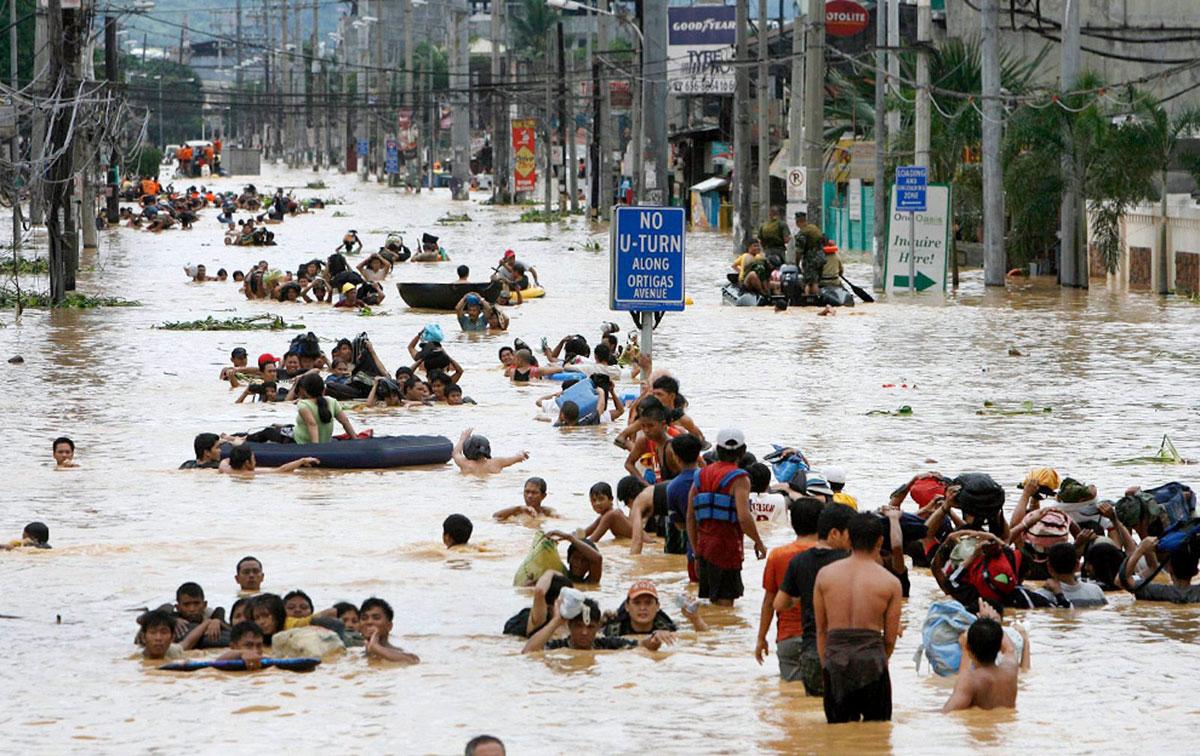
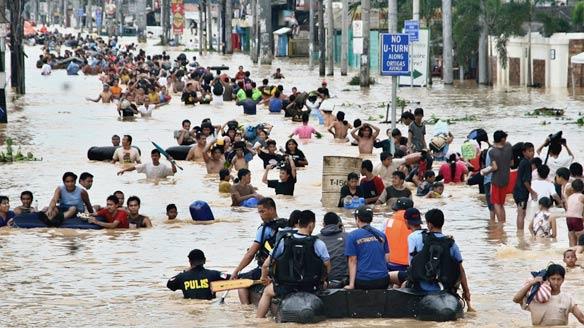
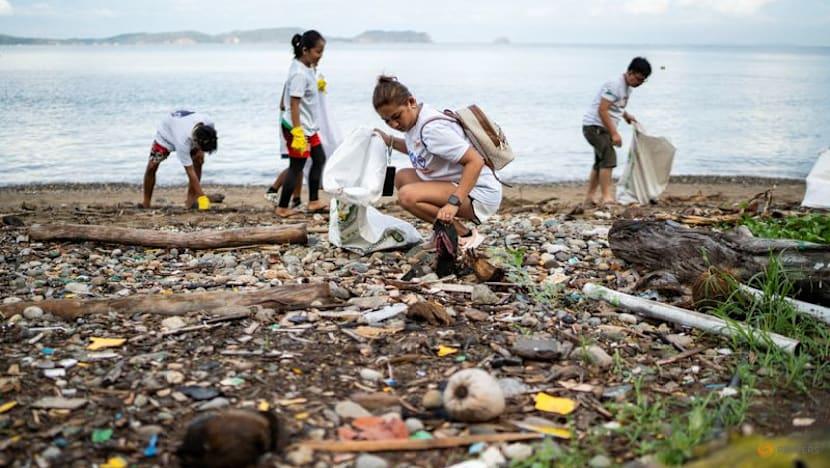
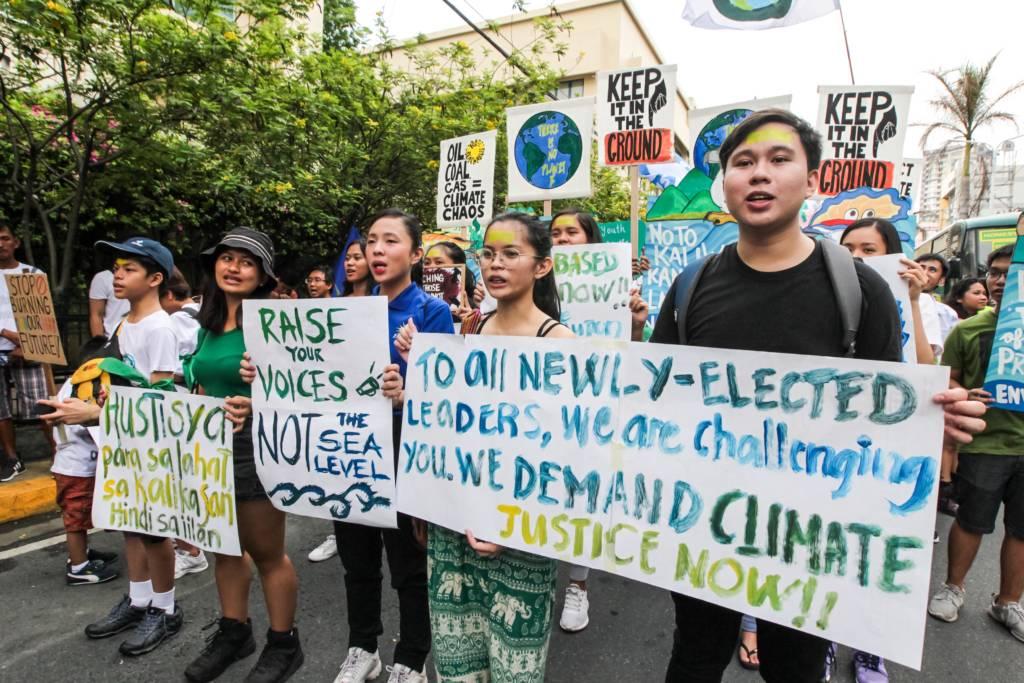
Ondoy made flooding and disaster readiness part of collective memory. Climate hazards, waste and community action remain urgent concerns.

06 — OTHERSPLAY / COMMUNITY

After class:
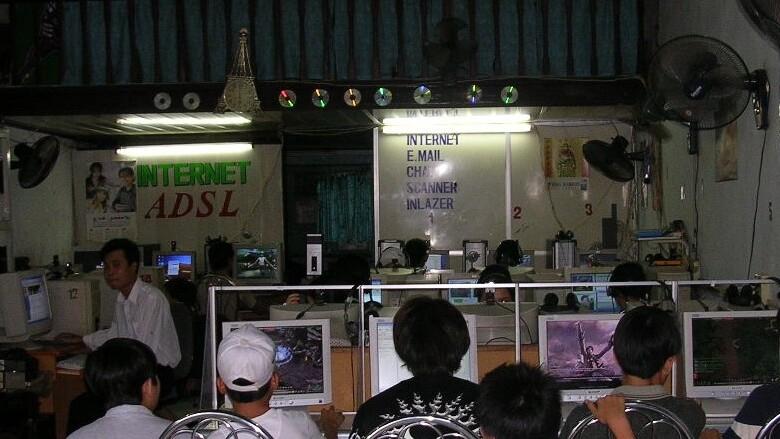
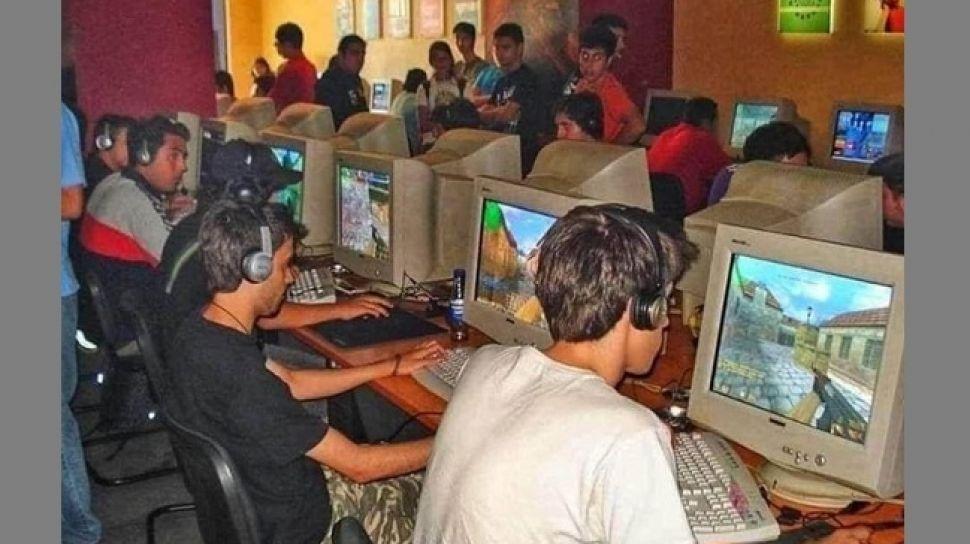
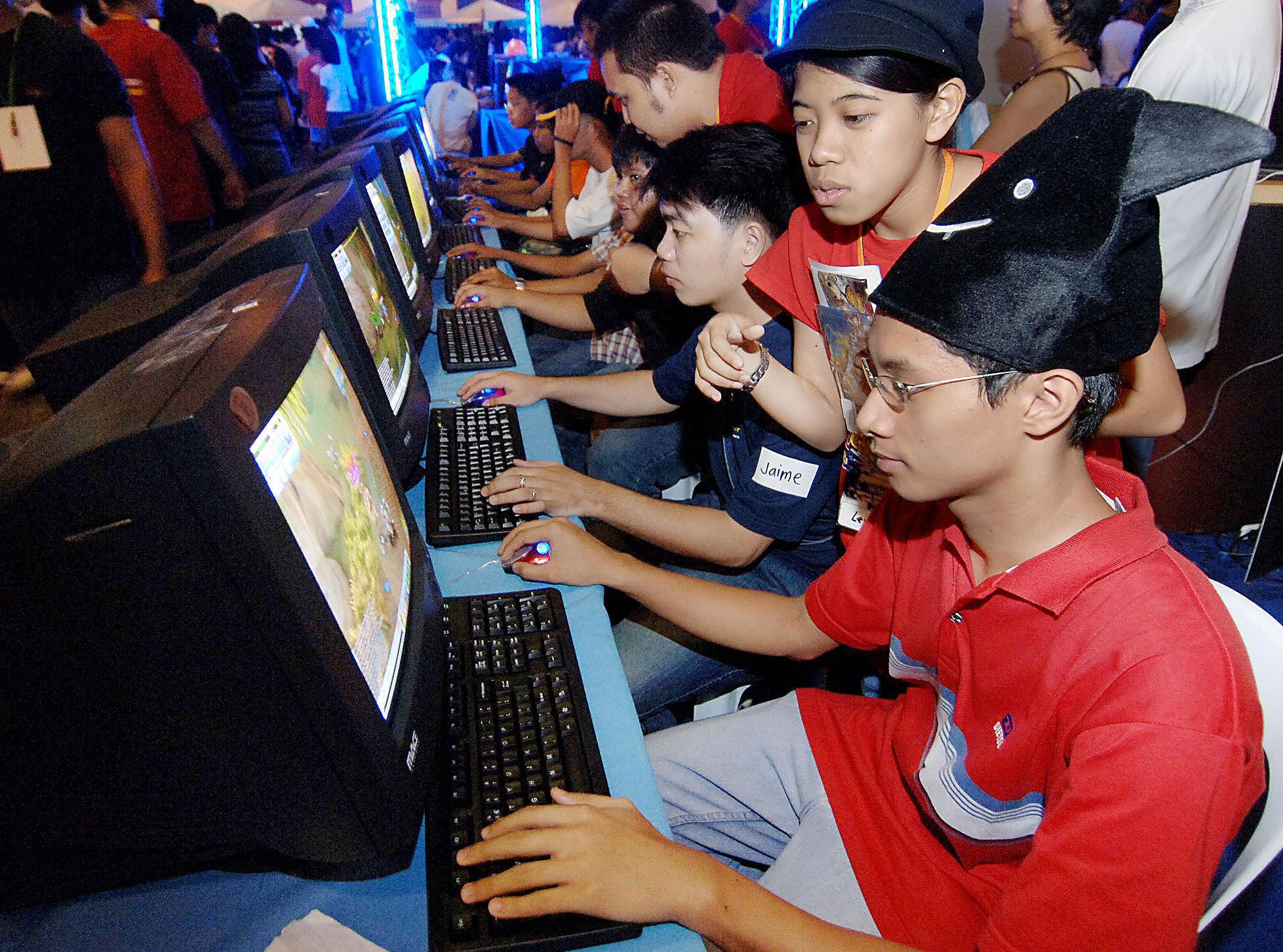
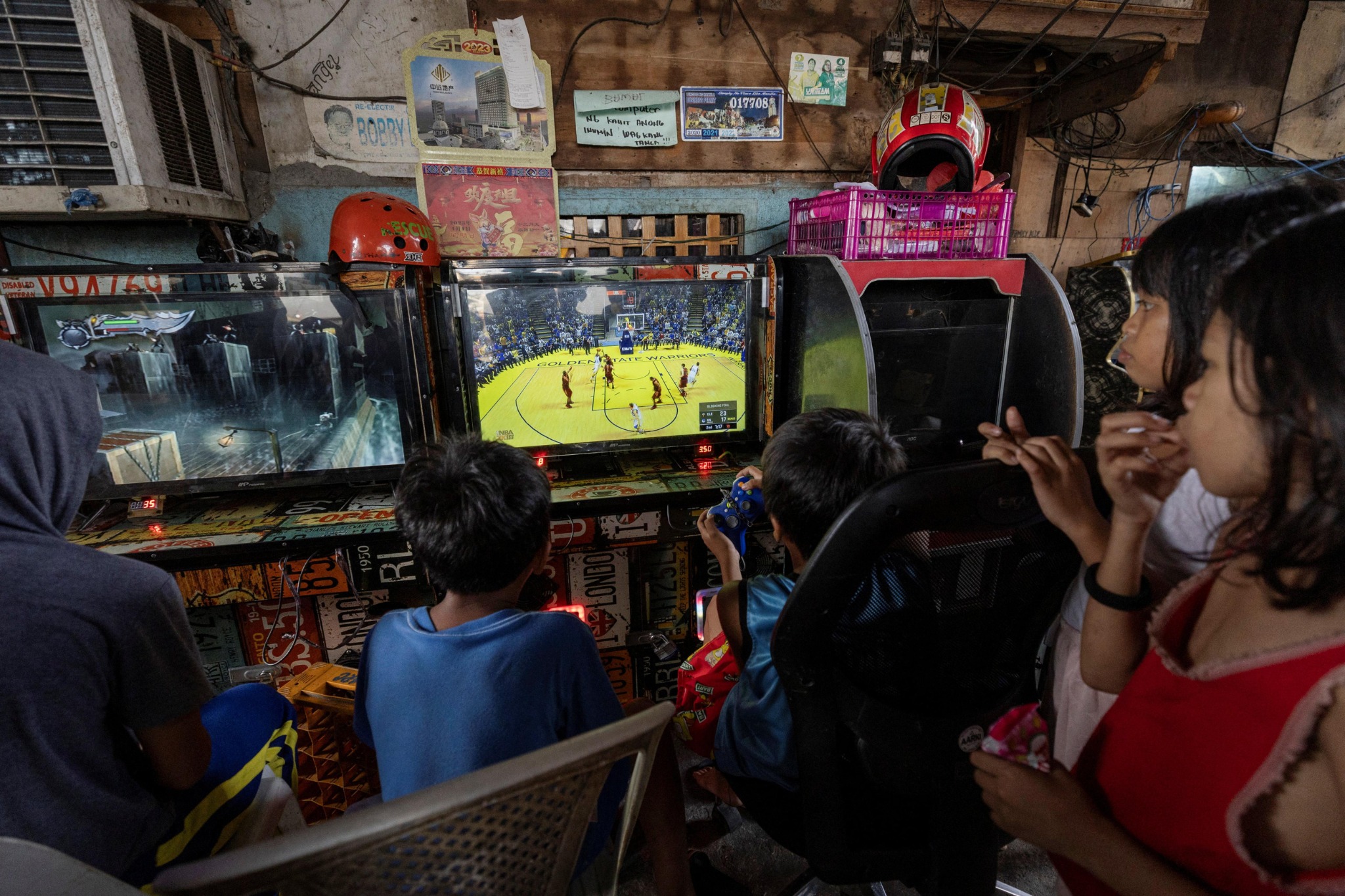
computer shop muna.

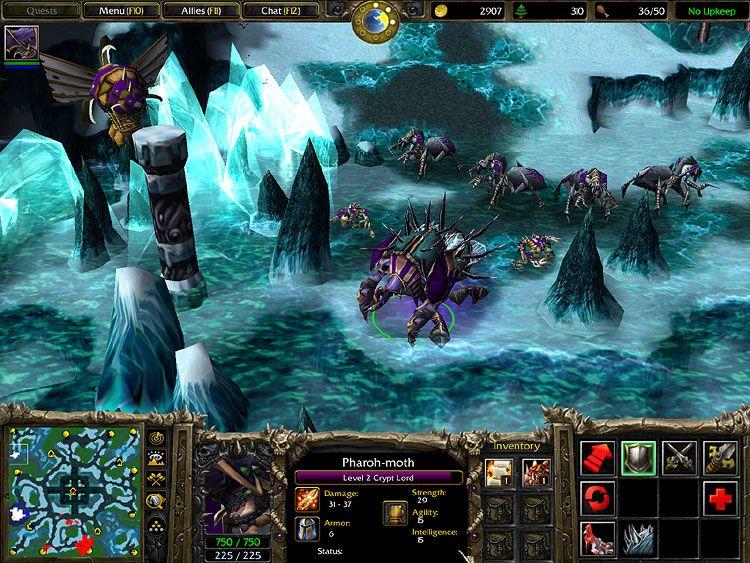
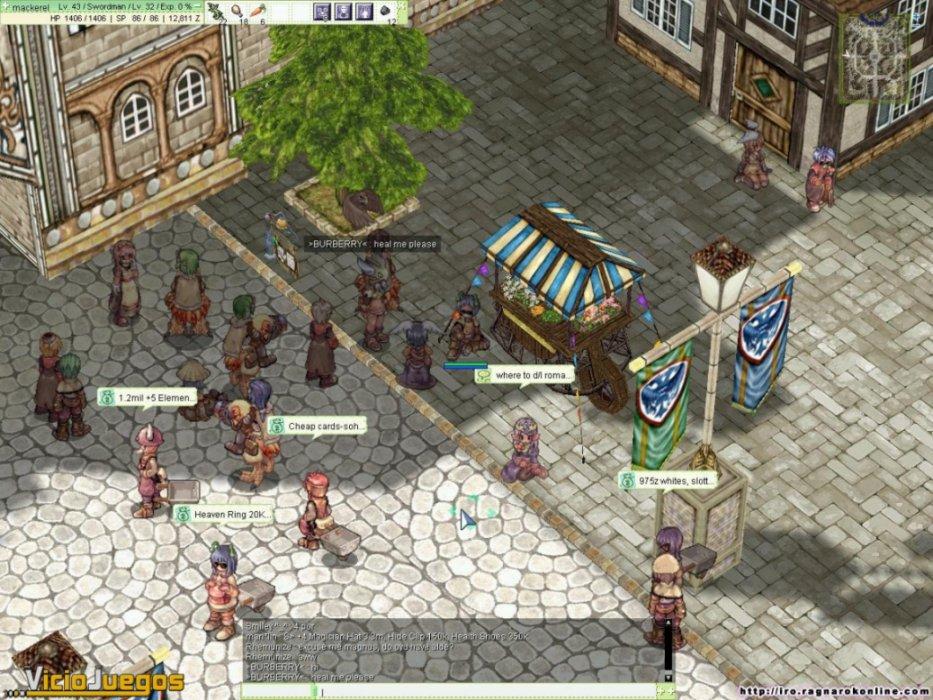
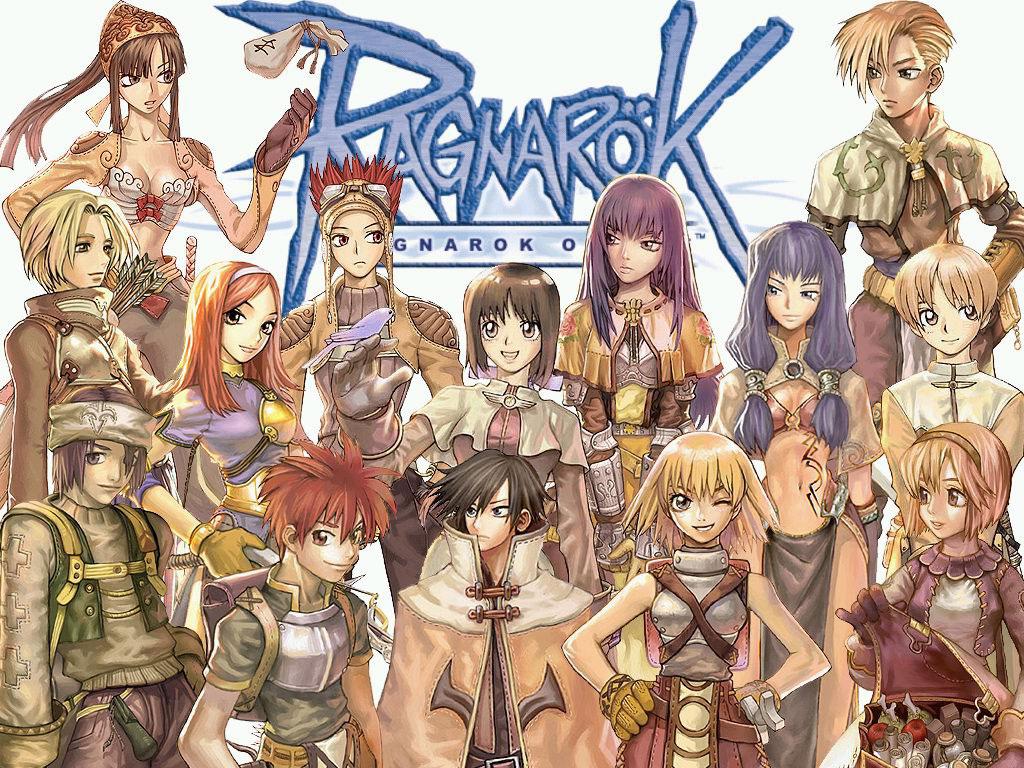
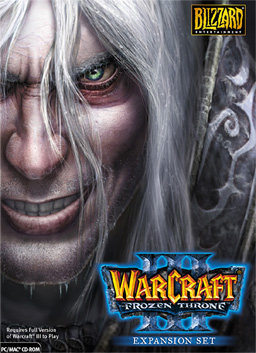
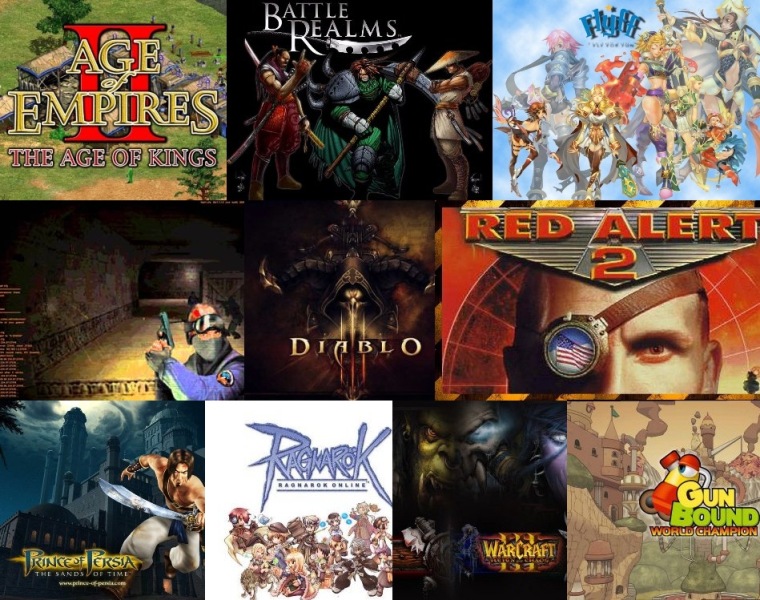
Internet cafés turned gaming into a shared social experience. Ragnarok Online, Warcraft III and other PC games brought players together through quests, strategy, trading and friendly competition. Today, gaming communities continue across online platforms, events and mobile devices.

02 / THE ANIME GENERATION

A GENERATION'S WATCHLIST

THE
BIG THREE.

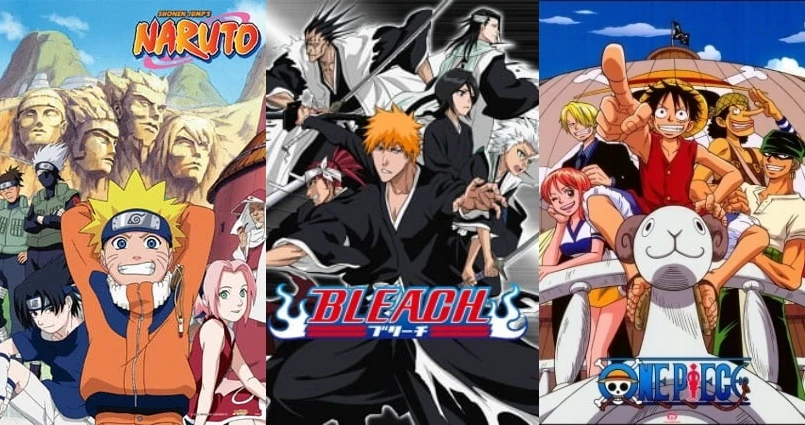
Naruto. Bleach. One Piece. Three series that became a shared language for anime fans in the 2000s. Their stories travelled through television, DVDs, online forums, fan pages and conversations between friends.

NARUTOBLEACHONE PIECE
The Big Three anime: Naruto, Bleach and One Piece
THE BIG THREE · NARUTO / BLEACH / ONE PIECE
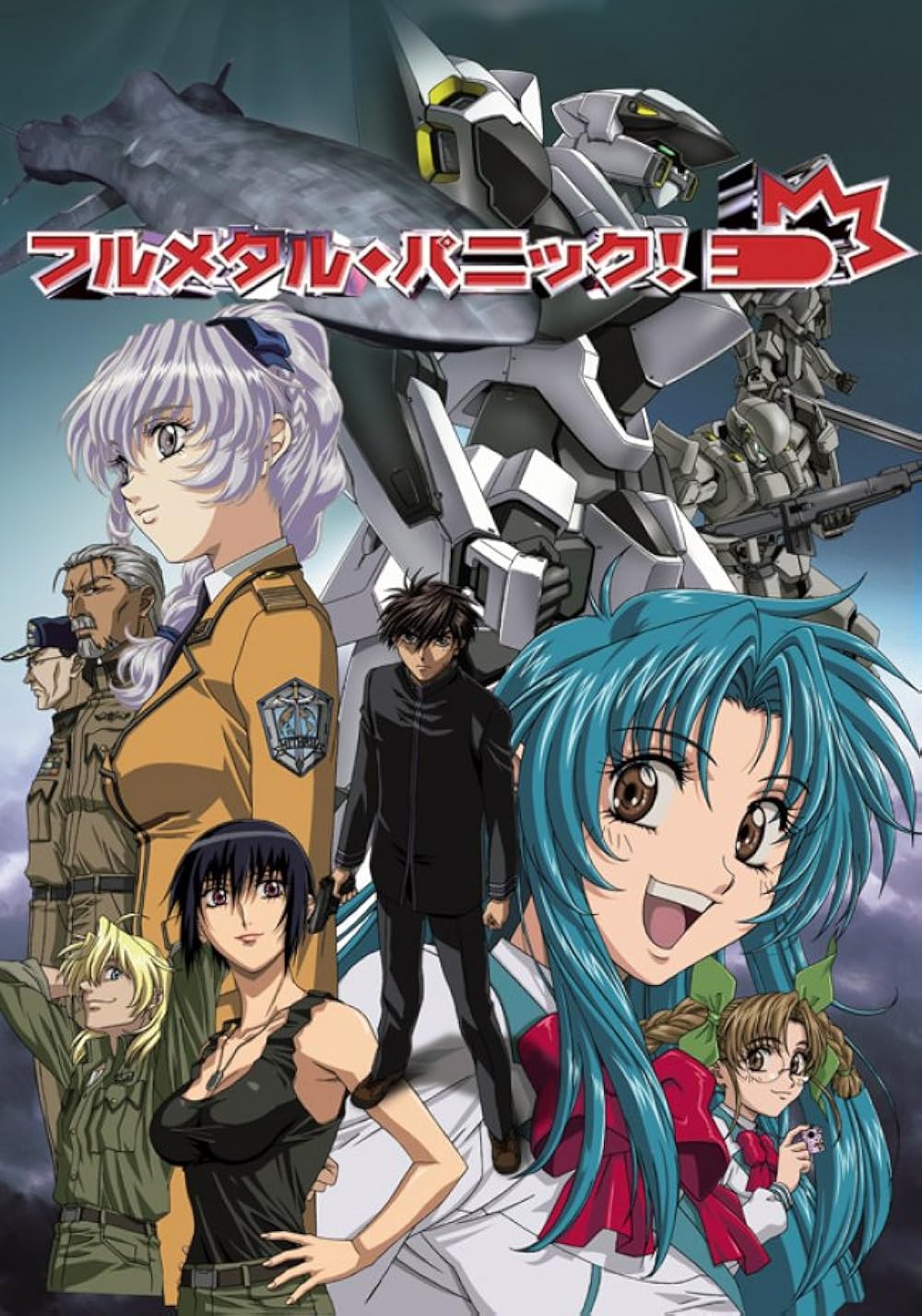
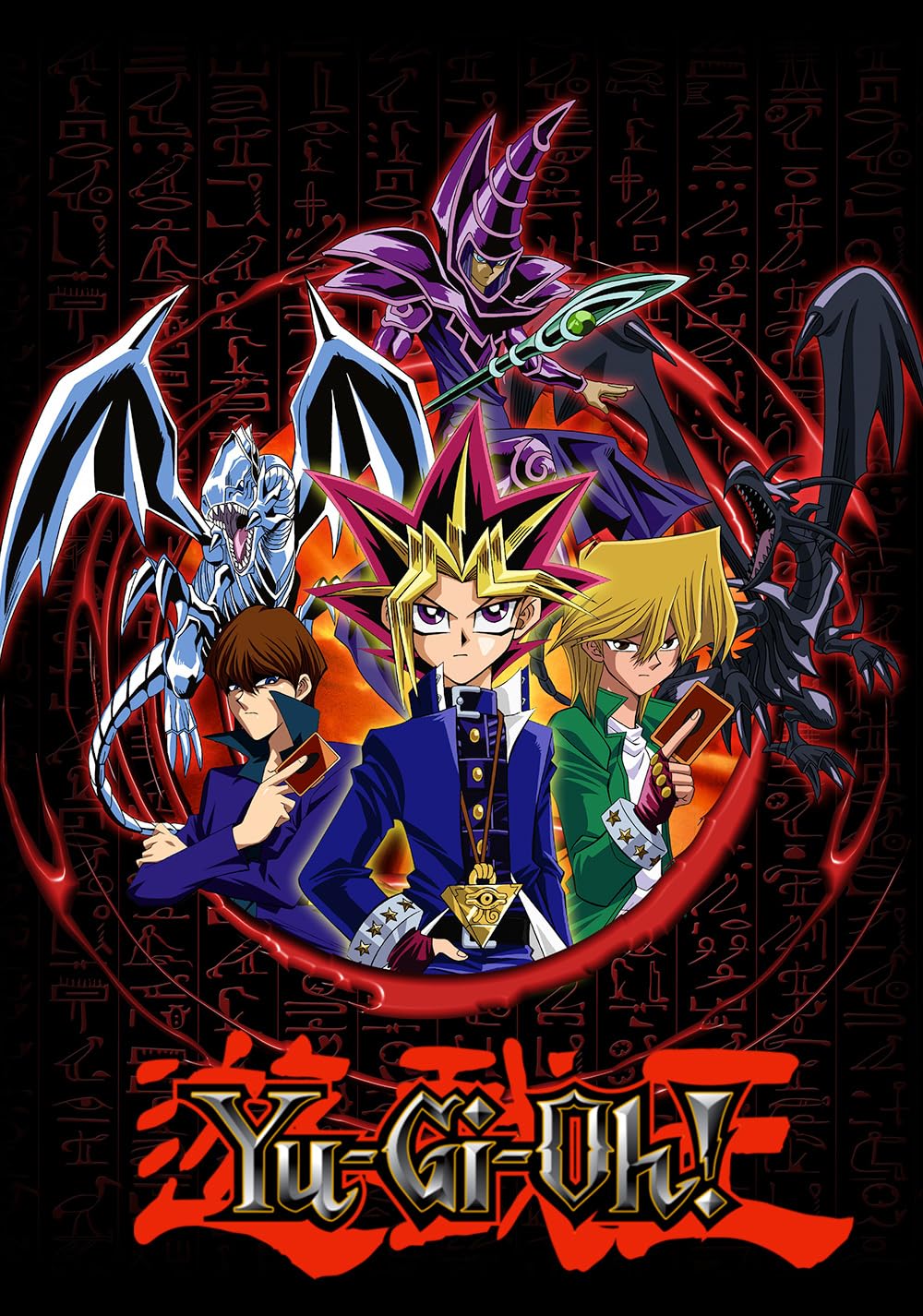
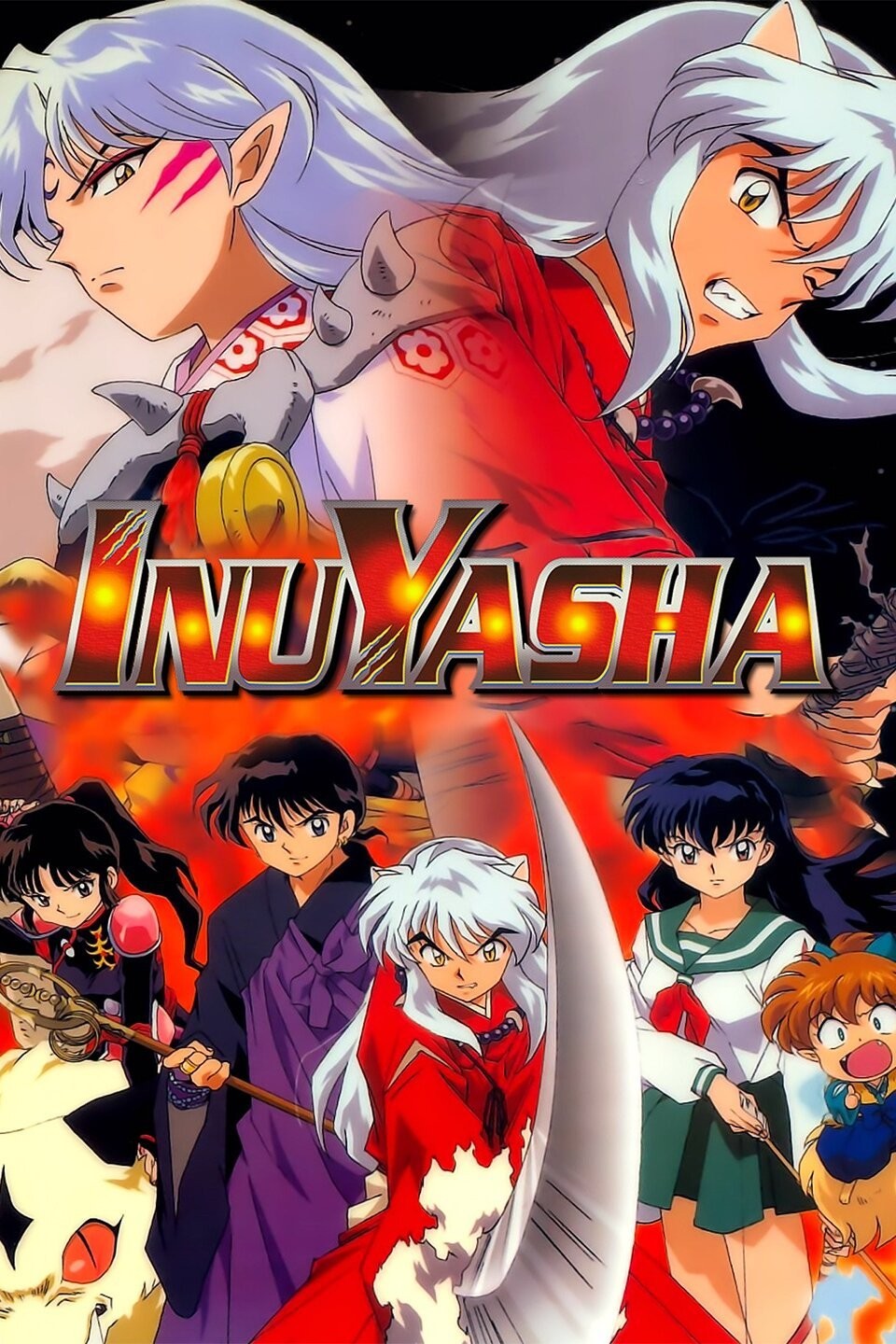
MORE FROM THE ANIME SHELF

After-school anime.
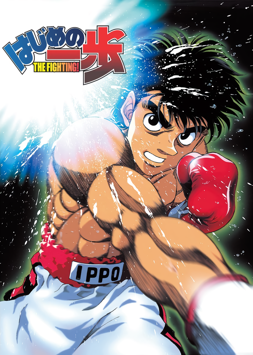
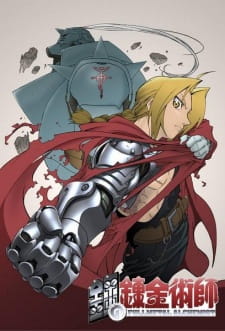
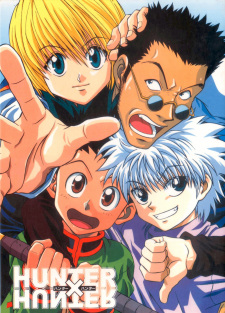
From action and fantasy to sports and supernatural stories, these titles were part of the wider anime landscape Filipino fans followed.

03 / ASIANOVELAS & KOREAN DRAMA

One more
episode.
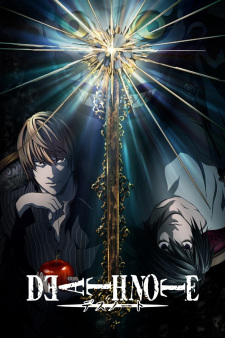
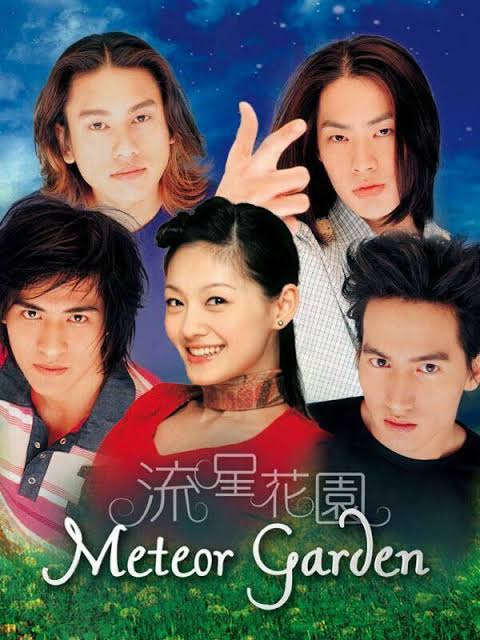
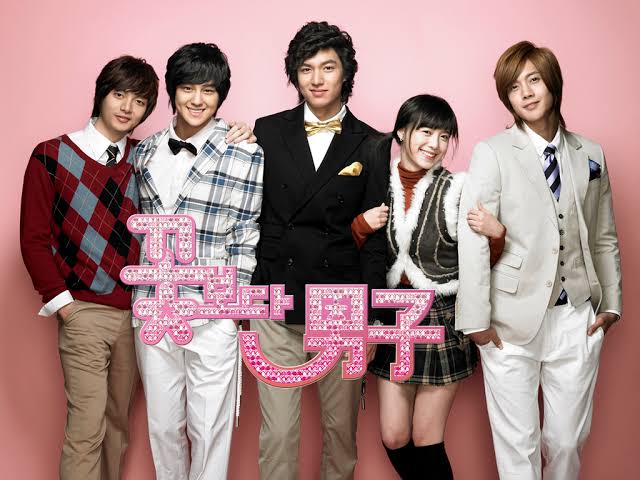
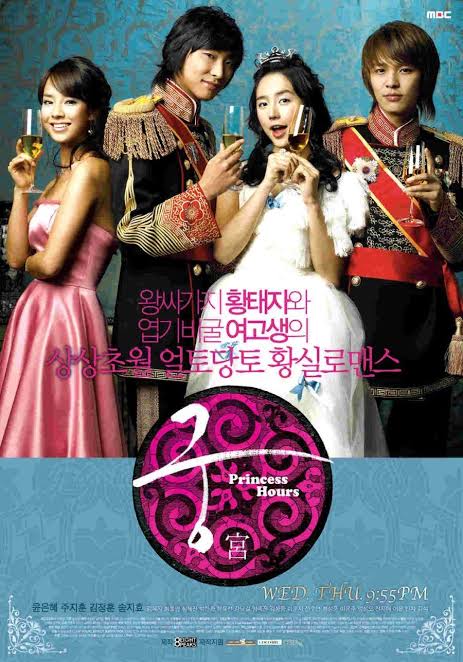
From Meteor Garden to Korean dramas, Asian television brought new stories, soundtracks and characters into Filipino living rooms.
02 / THREE LENSES

Look closer.

Popular culture is more than the objects we remember. These three lenses reveal the feelings, tools and global connections behind them.

01 / AFFECT, SENSES & FEELINGS

The things
we felt.

Identity. Belonging. Nostalgia. Shared experiences.

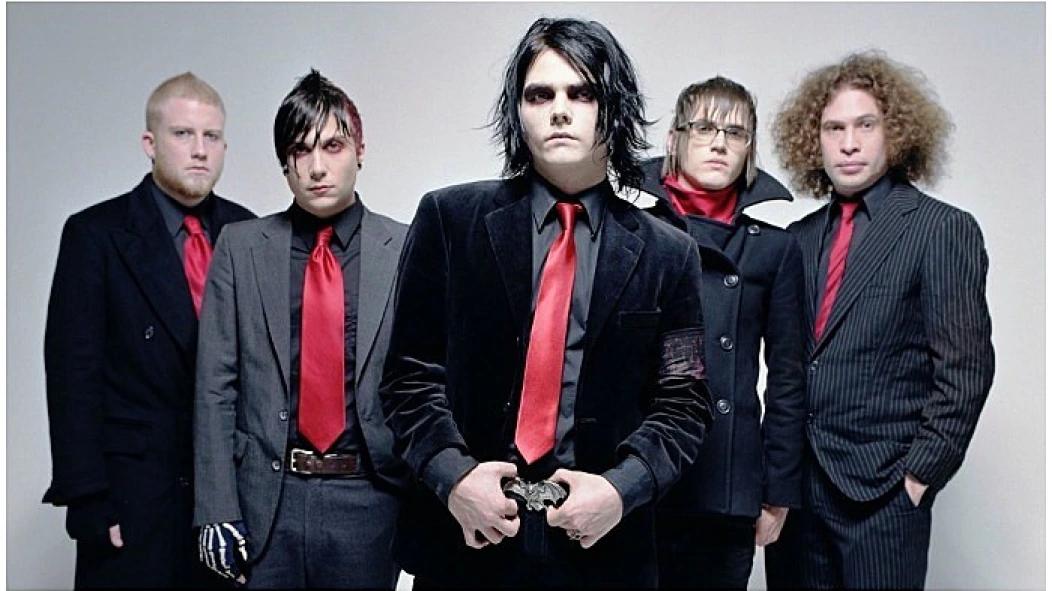
Emo and pop-punk band associated with 2000s youth culture
EMO / POP-PUNK / ONLINE IDENTITY
02 / TECHNOLOGY

From keypad
to pocket world.

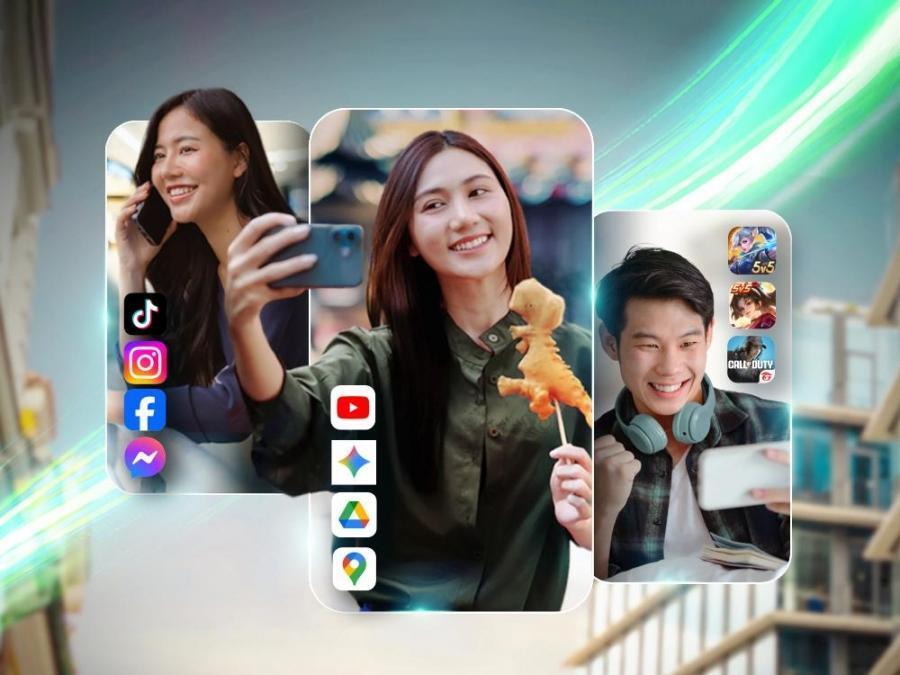
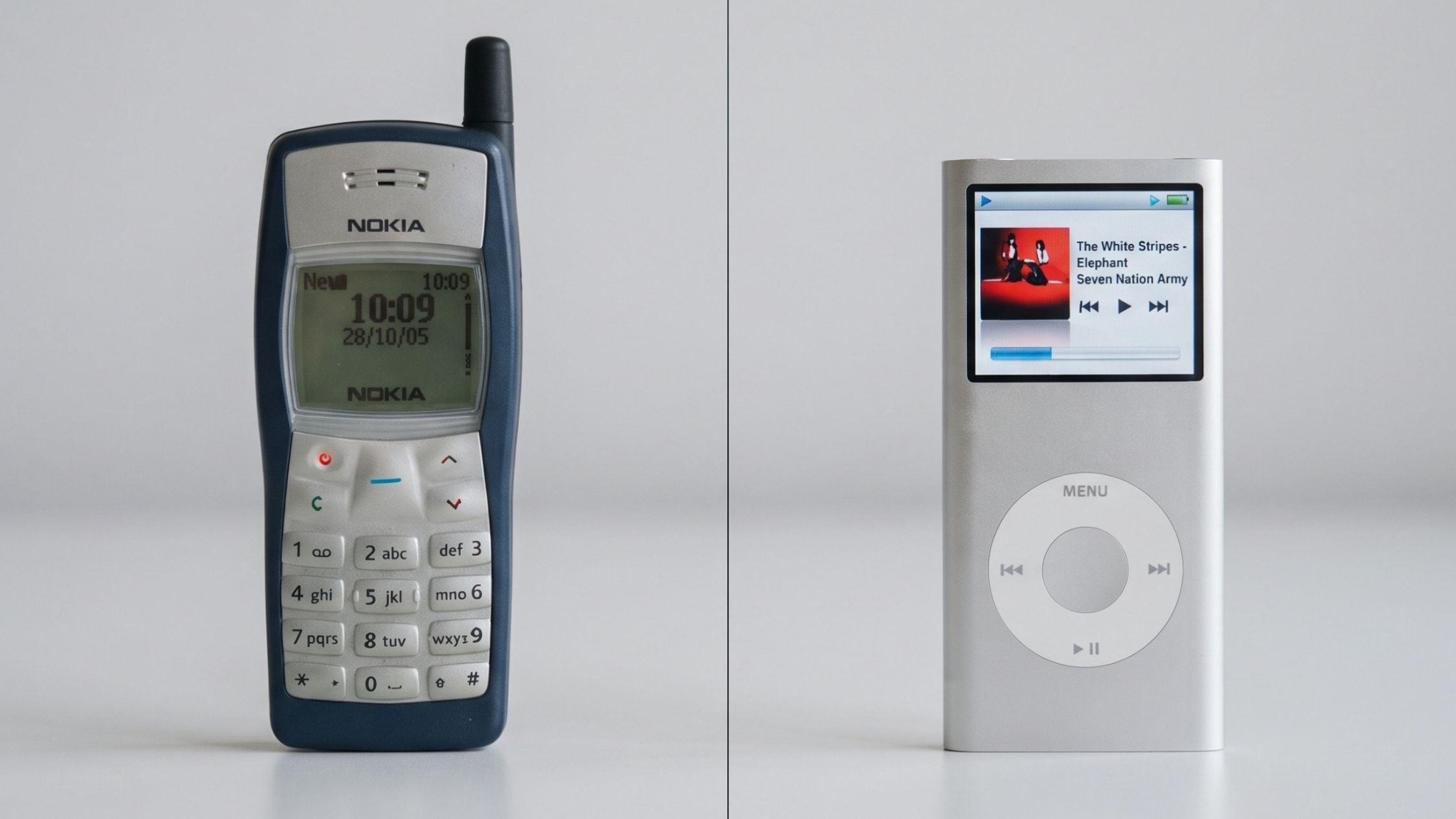
Separate devices and shared computer access gave way to connected services on smartphones.

Classic Nokia phone beside a first-generation iPod
SMS / MP3 / APPS / DIGITAL LIFE
03 / GLOBALISATION

The world was
already here.

Western music, Japanese anime, Korean dramas and international games met local taste and creativity.

Collage of Filipino teleserye posters
LOCAL CULTURE × GLOBAL INFLUENCE
03 / THE CONNECTION

The format changed.
The habit stayed.

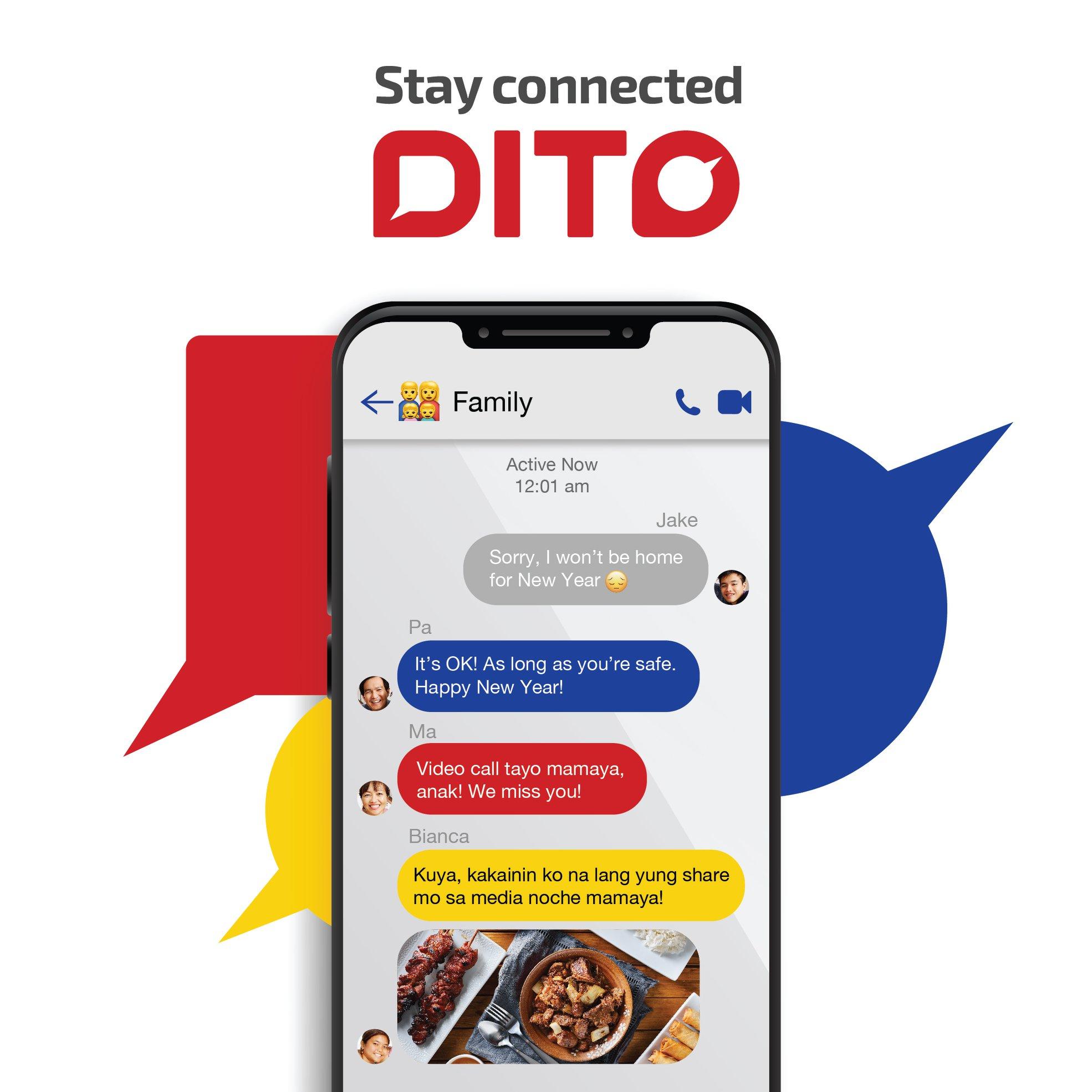
01SMS→GROUP CHATSNokia and text messages → messaging apps
02FRIENDSTER→SOCIAL FEEDSProfiles and testimonials → stories and posts
03TELESERYE NIGHTS→STREAMINGScheduled television → on-demand viewing
04INTERNET CAFÉS→MOBILE GAMINGShared PCs → games in your pocket
05CDs / DVDs→PLAYLISTS / APPSPhysical media → digital libraries

The objects and platforms change. The human reasons behind them often remain.

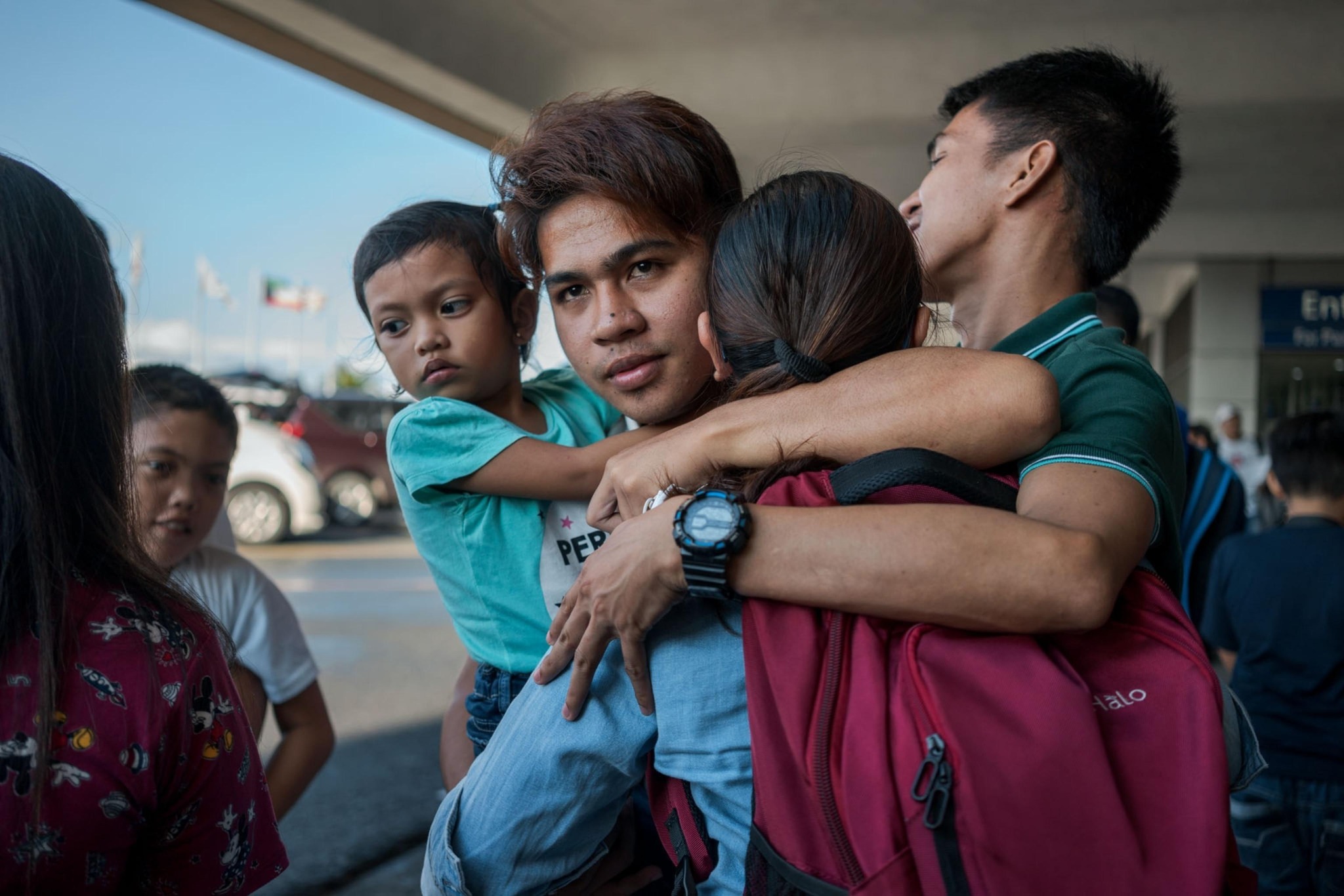
Family reunion at an airport
FIELD NOTE / 2026
“The past didn’t disappear.
It got an update.”

Popular culture keeps moving, but it carries pieces of our shared memory with it.

04 / READING ROOM

Follow the trail.

Selected research and historical references supporting the archive. Image credits should be checked against each original image source before final publication.

Research references +
  1. Asis, M. M. B. (2006). The Philippines’ culture of migration. Migration Policy Institute. Open source ↗
  2. Camilo Tauro, J. H. (2003). Telenovela, anime transform landscape of Philippine TV. National Commission for Culture and the Arts. Open source ↗
  3. Goce-Dakila, C., & Dakila, F. G., Jr. (2006). Modeling the impact of overseas Filipino workers remittances on the Philippine economy. Bangko Sentral ng Pilipinas. Open source ↗
  4. Gokongwei-Cheng, L. (2003). The business of online gaming. Philstar.com. Open source ↗
  5. Garcillano v. House of Representatives Committees, G.R. No. 170338 (Supreme Court of the Philippines, 2008). Open source ↗
  6. Montiel, C. J., & Estuar, M. R. E. (2006). Revolutionary text: Social psychology of cellphone texting during People Power II. Philippine Journal of Psychology, 39(2). Open source ↗
  7. Philippine News Agency. (2026). Aug. 17 rainfall pattern in QC not similar to rains during Ondoy. Open source ↗
  8. Philippine Statistics Authority. (2026). Digital economy contributes 9.8 percent to the Philippine economy in 2025. Open source ↗
  9. Republic Act No. 11165 (2018). Telecommuting Act. Open source ↗
  10. Rocamora, J. A. L., & Caliwan, C. L. (2019). PTFoMS celebrates conviction of Maguindanao Massacre perpetrators. Philippine News Agency. Open source ↗
  11. Sánchez, L. J. A. (2022). The teleserye story: Three periods of the evolution of the Filipino TV soap opera. Rupkatha Journal, 14(1). Open source ↗
  12. Smith, C. (2025). ‘Pinoy Big Brother’ is still one of the most watched TV shows in the Philippines. Rolling Stone Philippines. Open source ↗
IMAGE CREDIT NOTE

Photographs and visuals are presented as selected museum artifacts. Original creator, publication and URL credits must be recorded for each image before the public version is considered final.